
Scroll down for English report
నాలుగు లేబర్ కోడ్ లకు వ్యతిరేకంగా హైదరాబాద్ లోని తెలంగాణ స్టేట్ సౌత్ పవర్ డిస్ట్రిబ్యూషన్ కంపెనీ లిమిటెడ్ కార్యాలయాల వద్ద మజ్దూర్ బిగుల్ ప్రచారం
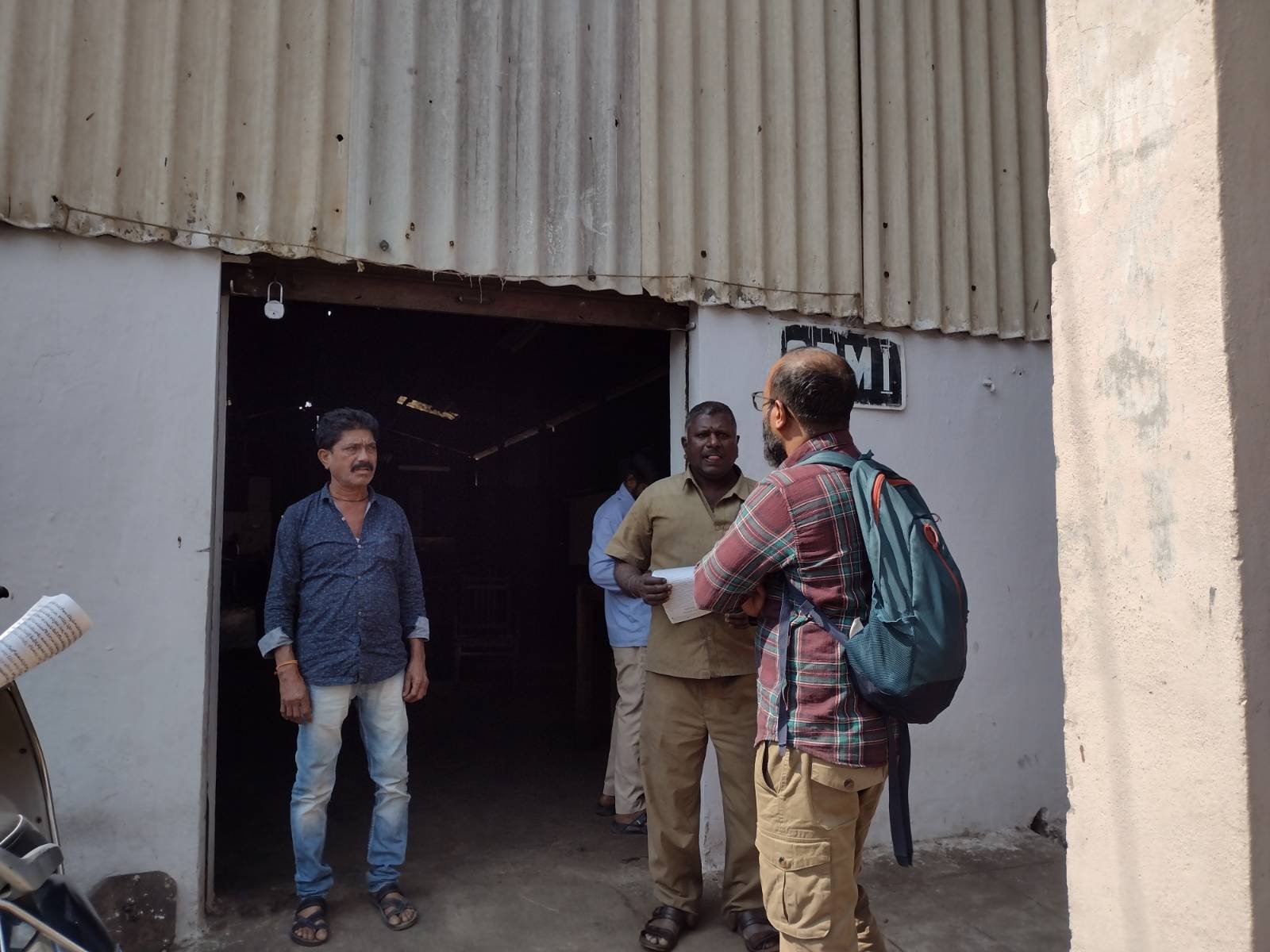 తెలంగాణ రాష్ట్ర విద్యుత్ శాఖ కార్యాలయాయం వద్ద నాలుగు లేబర్ కోడ్లకు వ్యతిరేకంగా ‘మజ్దూర్ బిగుల్’ క్యాంపైన్ తెలంగాణ విద్యుత్ శాఖకు సంబంధించి కీలకమైన సాంకేతిక, పరిపాలనా కేంద్రమైన హైదరాబాద్లోని GTS కాలనీలో, నాలుగు లేబర్ కోడ్లకు వ్యతిరేకంగా డిసెంబర్ 22న ‘మజ్దూర్ బిగుల్’ ప్రచారాన్ని నిర్వహించింది. ఈ ప్రాంతంలో TGTRANSCO, TGGENCO, TSSPDCL వంటి సంస్థల ప్రధాన కార్యాలయాలతో పాటు కార్పొరేట్ ట్రైనింగ్ ఇన్స్టిట్యూట్ (CTI), రంగారెడ్డి జిల్లా స్టోర్స్, TGERC ఉన్నాయి. బిగుల్ కార్యకర్తలు ఈ కార్యాలయాలను సందర్శించి వివిధ స్థాయిల ఉద్యోగులతో మాట్లాడారు. తెలంగాణ ఉద్యమం, రాష్ట్ర ఆవిర్భావం తర్వాత కాంట్రాక్ట్ విద్యుత్ కార్మికులను క్రమబద్ధీకరిస్తామన్న వాగ్దానం నేరవేర్చకపోవడం మరియు వారి ప్రస్తుత సమస్యలు ఈ నాలుగు లేబర్ కోడ్ లకు ఉన్న సంబంధం గురించి చర్చించారు.
లైవ్-లైన్ మెయింటెనెన్స్, టవర్లు ఎక్కడం, ఫీల్డ్ ఆపరేషన్ల వంటి నిరంతరమైన, అత్యంత ప్రమాదకరమైన పనుల్లో వేలమంది కార్మికులు దశాబ్దాలుగా పనిచేస్తున్నారు. కానీ, నేటికీ వీళ్ళలో అనేకమందిని కేవలం “ఆర్టిజన్లు” లేదా కాంట్రాక్ట్ ఉద్యోగులుగానే పరిగణిస్తున్నారని కార్మికులు ఆవేదన వ్యక్తం చేశారు. గతంలో విద్యుత్ శాఖలో 10 ఏళ్లకు పైగా పనిచేసిన కాంట్రాక్ట్ ఉద్యోగులు తమను రెగ్యులర్ చేయమని ఒక హక్కుగా డిమాండు చేయడం, దాన్ని సాధించుకోవడం ఒక ఆనవాయితీగా ఉండేది. 10 నుండి 20 ఏళ్ల సర్వీసు పూర్తి చేసుకున్న వారు కూడా పే రివిజన్ కమిషన్ (PRC) ప్రయోజనాలు, ప్రమోషన్లు, పెన్షన్, ఉద్యోగ భద్రతకు వెలుపలే ఉండిపోయారు. 2017లో వేలమందిని విధుల్లోకి తీసుకున్నప్పటికీ, వారిని రెగ్యులర్ కేడర్లో విలీనం చేయకుండా ‘ఆర్టిజన్ సర్వీస్ రూల్స్’ పేరిట వాళ్ళకి ప్రత్యేక నిబంధనలను వర్తింపజేశారు. ఫిబ్రవరి 1, 1999 తర్వాత చేరిన వారికి క్రమబద్ధీకరణ తర్వాత కూడా పాత సర్వీసును పెన్షన్ లెక్కల్లోకి తీసుకోకపోవడం వల్ల వారి దశాబ్దాల కష్టం వృథా అవుతోంది.
ఈ నేపథ్యంలో, ఫాసిస్టు మోదీ ప్రభుత్వం ప్రవేశపెట్టిన నాలుగు లేబర్ కోడ్లు ఈ పరిస్థితిని మరింత దిగజార్చుతున్నాయి. ముఖ్యంగా, దీర్ఘకాలంగా పనిచేస్తున్న కాంట్రాక్ట్ కార్మికులు ప్రభుత్వాన్ని నిలదీసి రెగ్యులరైజేషన్ కోరే హక్కును ఈ కోడ్లు హరించివేస్తున్నాయి. గతంలో చట్టవిరుద్ధంగా పరిగణించబడిన రెగ్యులర్ ఉద్యోగాల్లో కాంట్రాక్టీకరణను ఈ కోడ్లు ఇప్పుడు చట్టబద్ధం చేస్తున్నాయి. దీనివల్ల రెగ్యులర్ నియామకాలు పూర్తిగా నిలిచిపోయి, ఫిక్స్డ్-టర్మ్, కాంట్రాక్ట్ నియామకాలు పెరుగుతాయి. పనిభారం పెరిగి, అలసట వల్ల భద్రతా ప్రమాదాలు పెరిగే ముప్పు ఉంది. సమ్మె చేసే హక్కును హరించడం, యూనియన్ల ఏర్పాటును బలహీనపరచడం ద్వారా కార్మికులు గతంలో వలె పోరాటాల ద్వారా ప్రభుత్వాన్ని ఒత్తిడి చేసి క్రమబద్ధీకరణ సాధించుకోవడం అసాధ్యంగా మారుతోంది.
ఈ క్యాంపైన్ సందర్భంగా కార్మికులు ఎదుర్కొంటున్న దోపిడీకి సంబంధించిన ప్రత్యక్ష ఉదాహరణలు బయటపడ్డాయి. రంగారెడ్డి జిల్లా స్టోర్స్లో కొంతమంది ఉద్యోగుల నుండి కొందరు స్టోర్ మేనేజర్ లు పర్మనెంట్ ఉద్యోగాలు ఇప్పిస్తామని నమ్మించి ఒక్కొక్కరి నుంచి ₹2.5 లక్షల రూపాయలు వసూలు చేసినట్లు కొందరు కాంట్రాక్ట్ కార్మికులు ఫిర్యాదు చేశారు. అలాగే ఒక జూనియర్ అసిస్టెంట్ తమ సమస్య వివరించారు, ఒకే రకమైన పని చేస్తున్నప్పటికీ మొదటి బ్యాచ్ కంటే రెండో బ్యాచ్ ఉద్యోగులకు తక్కువ వేతనం ఇస్తున్నారని చెప్పారు. TGSPDCLలో 57 ఏళ్ల వాచ్మెన్ నెలకు కేవలం ₹10,000 జీతంతో, రొటేషన్ పద్ధతిలో 48 గంటల పాటు నిరంతరాయంగా పనిచేస్తున్నట్లు తెలిపారు. ఈ చర్చల ద్వారా లేబర్ కోడ్ల అసలు పరిణామాలను అర్థం చేసుకున్న కార్మికులు ఆశ్చర్యం వ్యక్తం చేశారు. మీడియాలో చూపిస్తున్న దానికి, క్షేత్రస్థాయిలో ఉన్న వాస్తవాలకు మధ్య ఉన్న వ్యత్యాసాన్ని తాము ఇప్పుడే గ్రహిస్తున్నామని పలువురు అంగీకరించారు
______________________________________________________________________
______________________________________________________________________
Mazdoor Bigul Campaigns at Telangana State Electricity Department Offices in Hyderabad Against the Four Labour Codes
Mazdoor Bigul conducted a campaign on 22nd December against the Four Labour Codes in the GTS Colony which is a major technical and administrative hub of the Telangana electricity department. The area houses key offices and facilities of TGTRANSCO, TGGENCO, TGSPDCL, the Corporate Training Institute (CTI), Ranga Reddy District Stores, and TGERC. Bigul activists visited these offices and interacted with employees across cadres, linking their present grievances, the unfulfilled promise of regularising contract electricity workers after the Telangana movement and state formation to the four labour codes.
Electricity workers explained that a large section of the workforce continues to work as “artisans” or contract employees despite performing perennial, continuous, and hazardous jobs such as live-line maintenance, tower climbing, and field operations. Historically, in the electricity department, contract employees working for more than 10 years have successfully demanded regularization as a legal right. Many employees now have completed 10 to 20 years of service, yet remain outside regular service rules governing Pay Revision Commission benefits, promotions, pension, and job permanency. Although thousands were absorbed in 2017, they were placed under separate Artisan Service Rules instead of being integrated into regular cadres. For those who joined service after 1 February 1999, pension benefits do not apply retrospectively even after regularisation, effectively wiping out decades of service from retirement calculations.
Against this background, the Four Labour Codes imposed by the Fascist Modi government make the situation far worse. Crucially, these codes strip workers of their established right to petition and force the government to regularize services based on long-term employment. Practices earlier challenged as illegal, such as contractualisation in permanent jobs are now being legally normalised. Permanent recruitment will decline, while fixed-term and contract hiring will expand. Workloads will intensify, increasing fatigue and safety risks. Strike rights are curtailed, union formation is weakened, and collective resistance is made legally difficult, making it nearly impossible for workers to force regularisation through struggle, as they did in the past.
During the campaign, activists encountered instances of exploitation that laid bare the human cost of these policies. At the Ranga Reddy District Stores, contract workers reported that a store manager had taken ₹2.5 lakh from several employees by falsely promising permanent jobs. A woman working as a Junior Assistant explained that the second batch of recruits receives lower pay than the first batch despite doing identical work. At TGSPDCL, a 57-year-old watchman shared that he works 48-hour continuous shifts on rotating basis for just ₹10,000 per month. Workers engaged closely with the activists, brought up their own long-pending grievances, and expressed surprise as the real implications of the Labour Codes were explained. Some workers admitted that they had earlier trusted the favourable media narrative around these laws, and it is only through this campaign that they began to understand how the propaganda is in stark contrast with the actual consequences to these four labour codes.
|
‘मज़दूर बिगुल’ की सदस्यता लें! वार्षिक सदस्यता - 125 रुपये पाँच वर्ष की सदस्यता - 625 रुपये आजीवन सदस्यता - 3000 रुपये ऑनलाइन भुगतान के अतिरिक्त आप सदस्यता राशि मनीआर्डर से भी भेज सकते हैं या सीधे बैंक खाते में जमा करा सकते हैं।
मनीऑर्डर के लिए पताः
मज़दूर बिगुल, द्वारा जनचेतना,
डी-68, निरालानगर, लखनऊ-226020
बैंक खाते का विवरणः Mazdoor Bigul
खाता संख्याः 0762002109003787,
IFSC: PUNB0185400
पंजाब नेशनल बैंक,
निशातगंज शाखा,
लखनऊ
|
आर्थिक सहयोग भी करें! प्रिय पाठको, आपको बताने की ज़रूरत नहीं है कि ‘मज़दूर बिगुल’ लगातार आर्थिक समस्या के बीच ही निकालना होता है और इसे जारी रखने के लिए हमें आपके सहयोग की ज़रूरत है। अगर आपको इस अख़बार का प्रकाशन ज़रूरी लगता है तो हम आपसे अपील करेंगे कि आप नीचे दिये गए बटन पर क्लिक करके सदस्यता के अतिरिक्त आर्थिक सहयोग भी करें।
मज़दूरों के महान नेता लेनिन |







Recent Comments